Estás brillando ahora mismo
The human body constantly emits an extremely faint light, invisible to the eye but detectable with a sensitive camera.
Before you read
Before you read
5 questions at the end. Read or listen first, then see how much you understood.
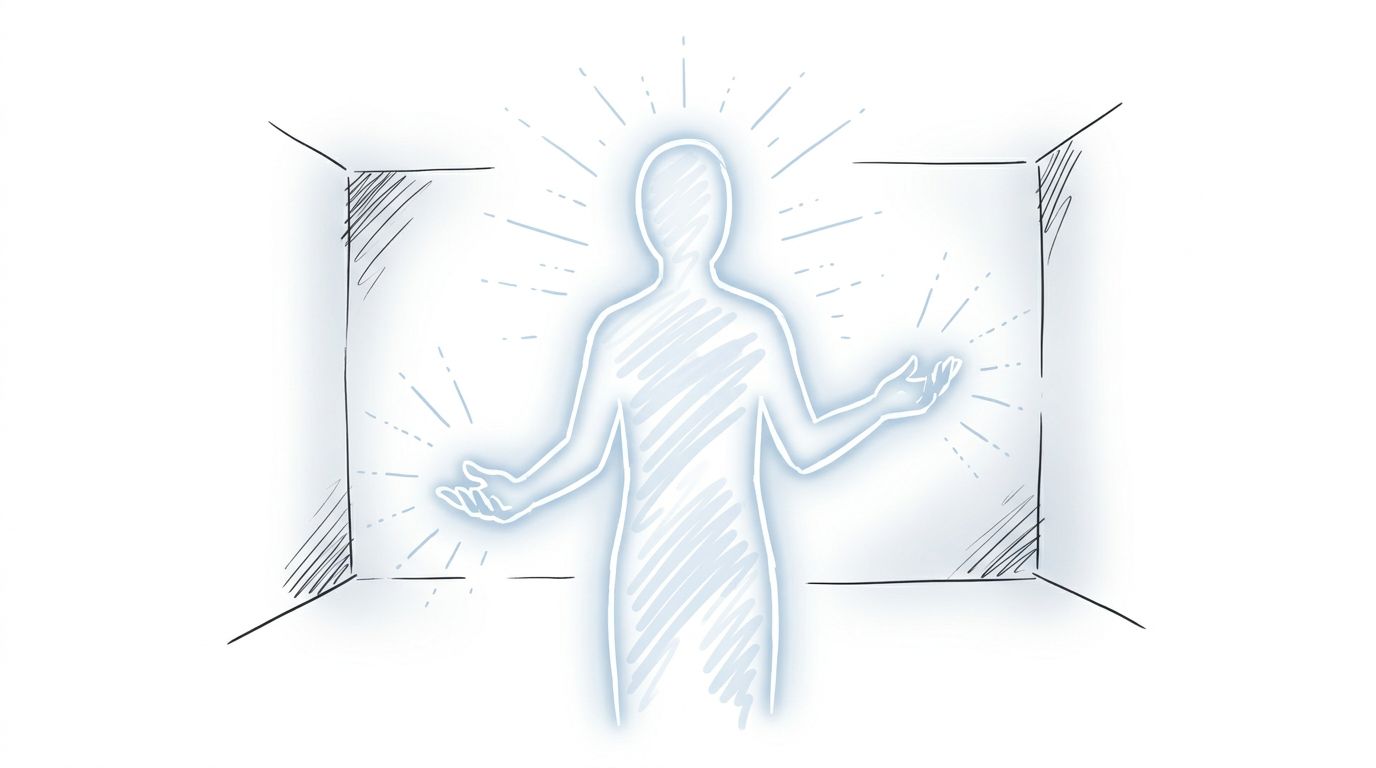
Quiz ↓Estás brillando ahora mismo. Envía esto a alguien que no se lo va a creer. Tu cuerpo produce luz. Todo el tiempo. Incluso solo, a oscuras, con las luces apagadas, sigues brillando un poquito.
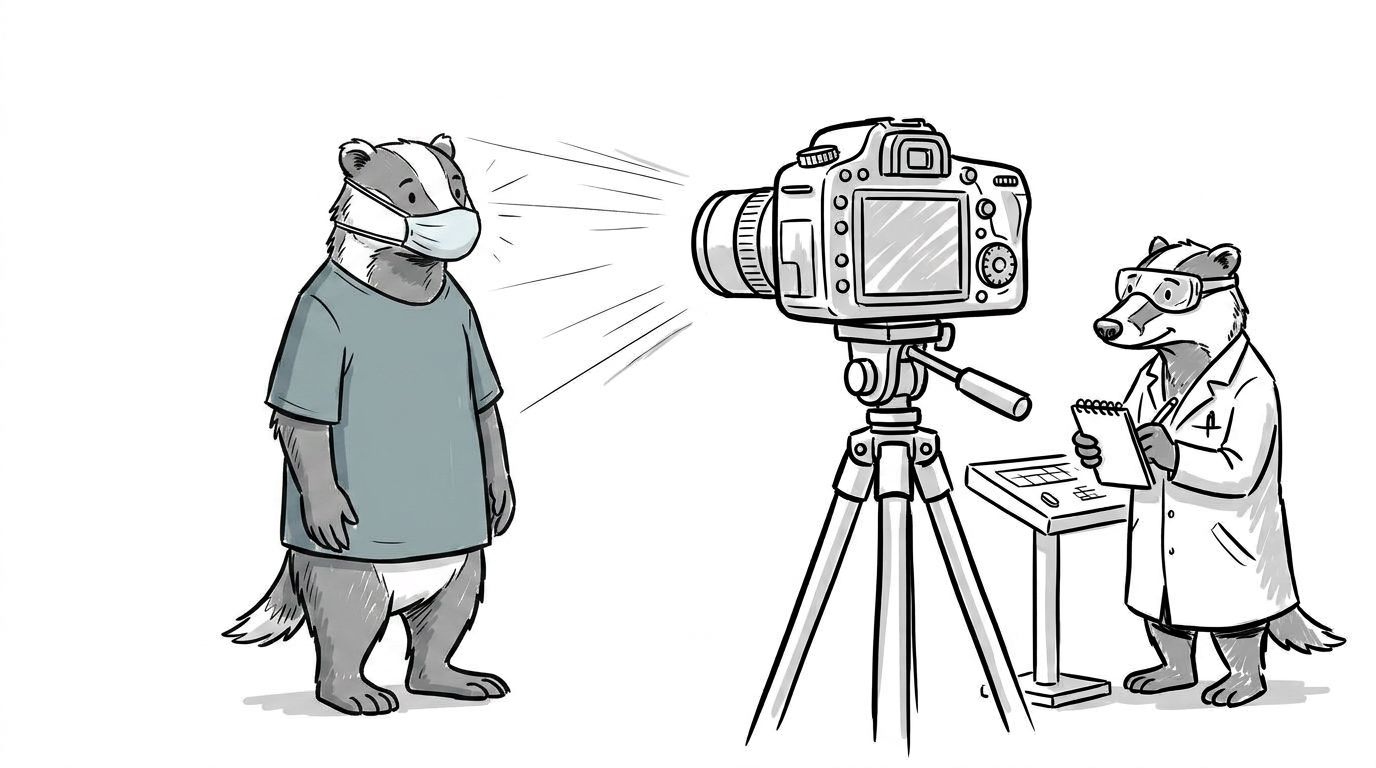
La luz es muy, muy débil. Es mil veces más débil de lo que los ojos humanos pueden ver. Por eso los ojos normales nunca la notan. Pero los científicos construyeron una cámara especial. La cámara es muy sensible. Puede captar esa luz diminuta y convertirla en una imagen.
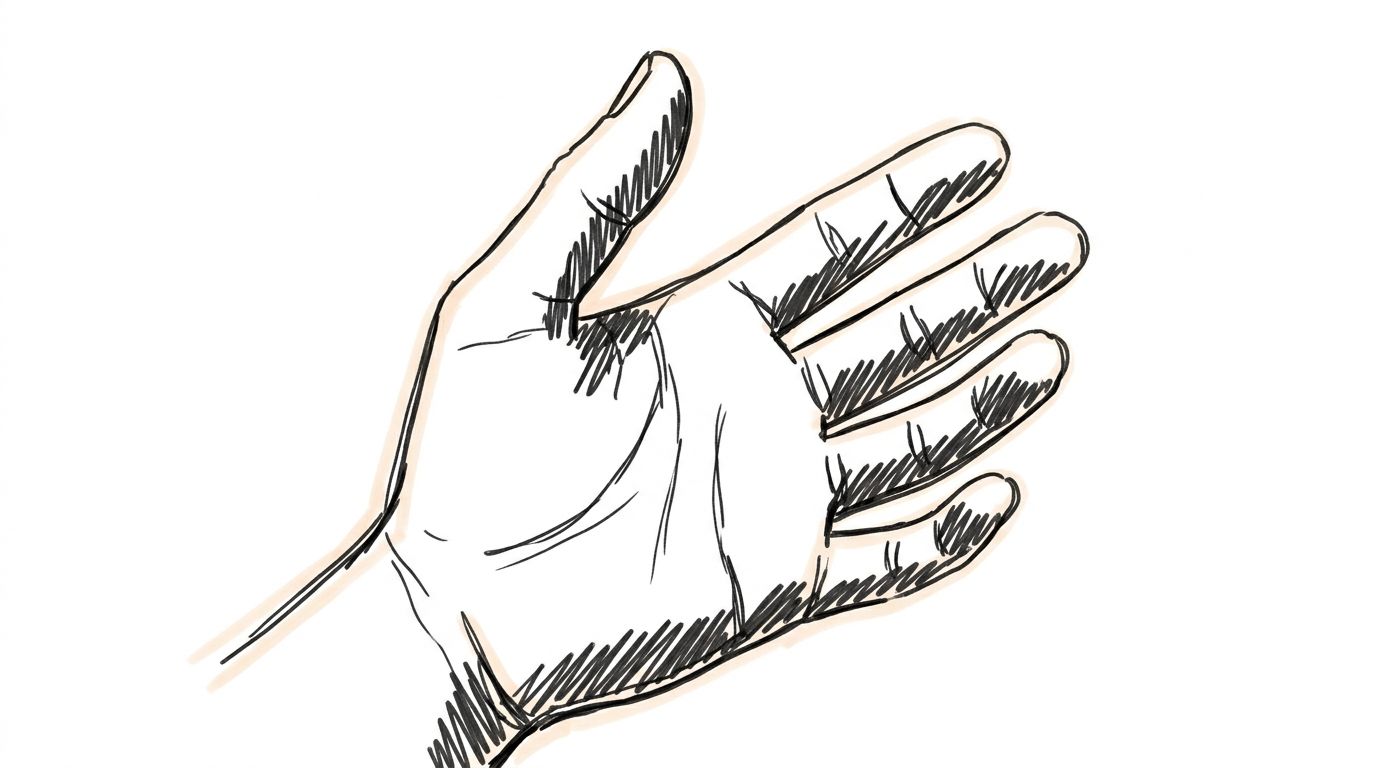
La imagen mostró algo nuevo. Tu cara y tus manos brillan más que el resto. El brillo cambia durante el día. Es más débil por la mañana y más fuerte más tarde. Es pequeño, pero es real. Estás brillando, ahora mismo, sin saberlo.
That's the story. Now, did you get it? ↓
You just heard Polly
Want to hear what YOU sound like?
Read a line of the story out loud. Your recording stays on your device and is never uploaded.
Not bad, right? In the PollyStop app, Polly listens to exactly that and scores you right away.
Coaching, saved words, spaced repetition, and a fresh story every day.
Get PollyStop free¿Has entendido el texto?
Did you get it?
The questions are in Spanish. Tap EN if you need a hint.
¿Qué produce tu cuerpo todo el tiempo?
¿Cómo es esta luz?
¿Qué construyeron los científicos?
¿Qué partes del cuerpo brillan más?
¿Cuándo es más débil el brillo?
Your AI tutor
Now say it out loud. Talk about this story with Polly.
Polly is PollyStop's voice tutor. She talks with you about stories like this one, out loud.
Get PollyStop free.
- A new graded story every day, with audio.
- Save the words you meet and practise them later.
- Speaking practice with feedback.
- Polly, the voice tutor, is opening up to more learners.
Keep going at A2
Next stories
Read this story in another language.
Same story, different language. Compare the shape and rhythm without losing the plot.
5 questions at the end
Read, then check what you understood