
The City That Puts Gold On Ice Cream
Zanim zaczniesz czytać
Zanim zaczniesz czytać
Pytań na końcu: 3. Najpierw czytaj lub słuchaj, a potem sprawdź, ile zrozumiałeś.
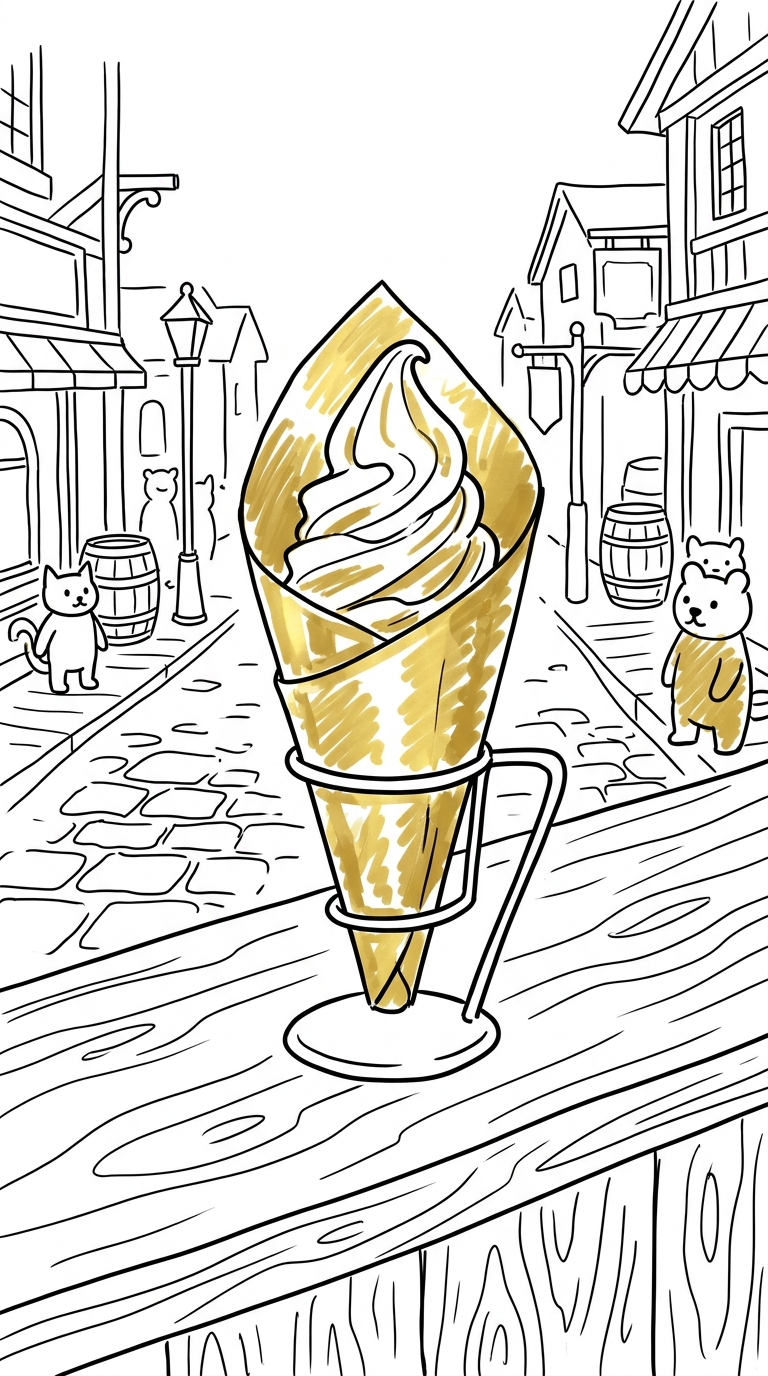
Quiz ↓This ice cream is real gold. Send this to your friend with a sweet tooth. In Japan there is an old city called Kanazawa. You buy a normal soft ice cream there, and then somebody wraps a whole sheet of gold around it.
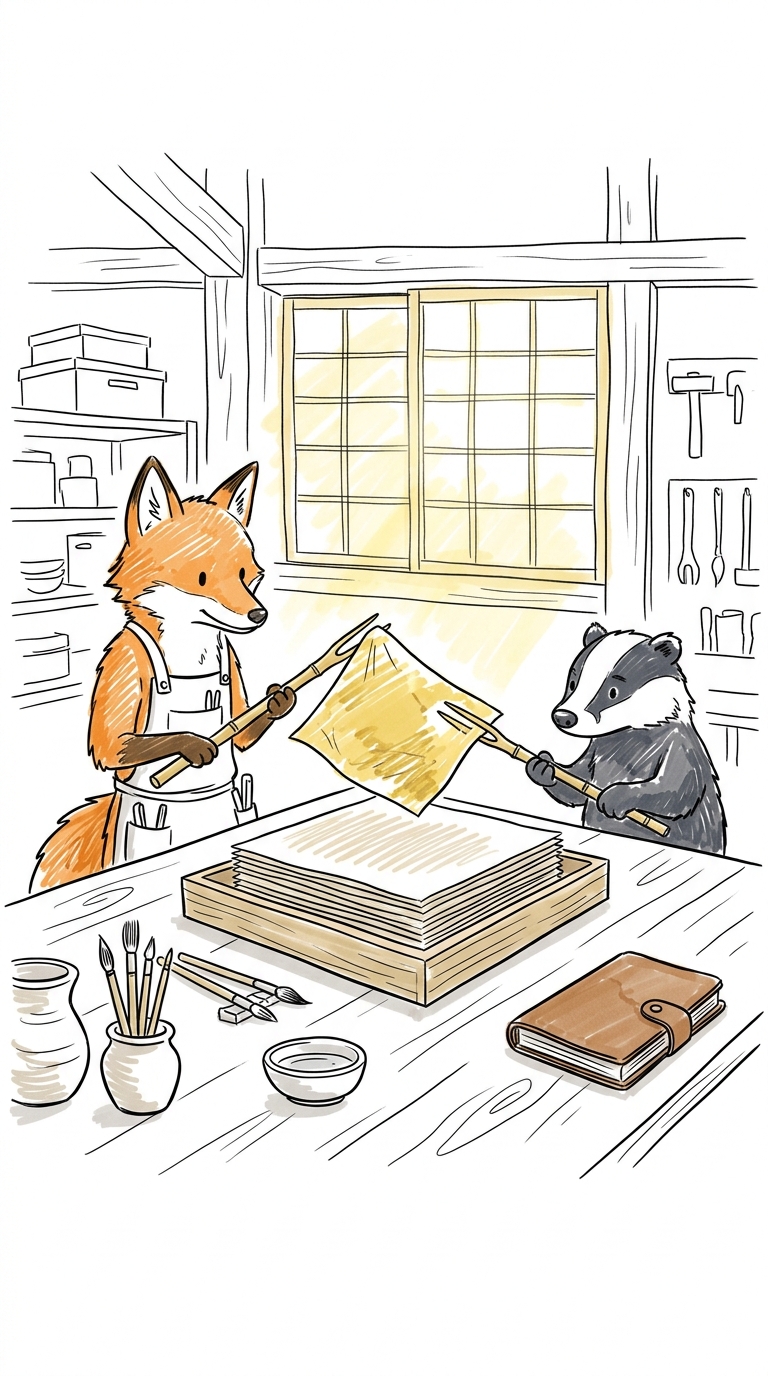
The gold is beaten until it is very flat. It is thinner than a hair. It moves in the smallest breath of wind, so the workers must be slow and quiet and cannot breathe near it. Almost all of the gold leaf in Japan is made in this one city, and people have made it here for more than four hundred years.
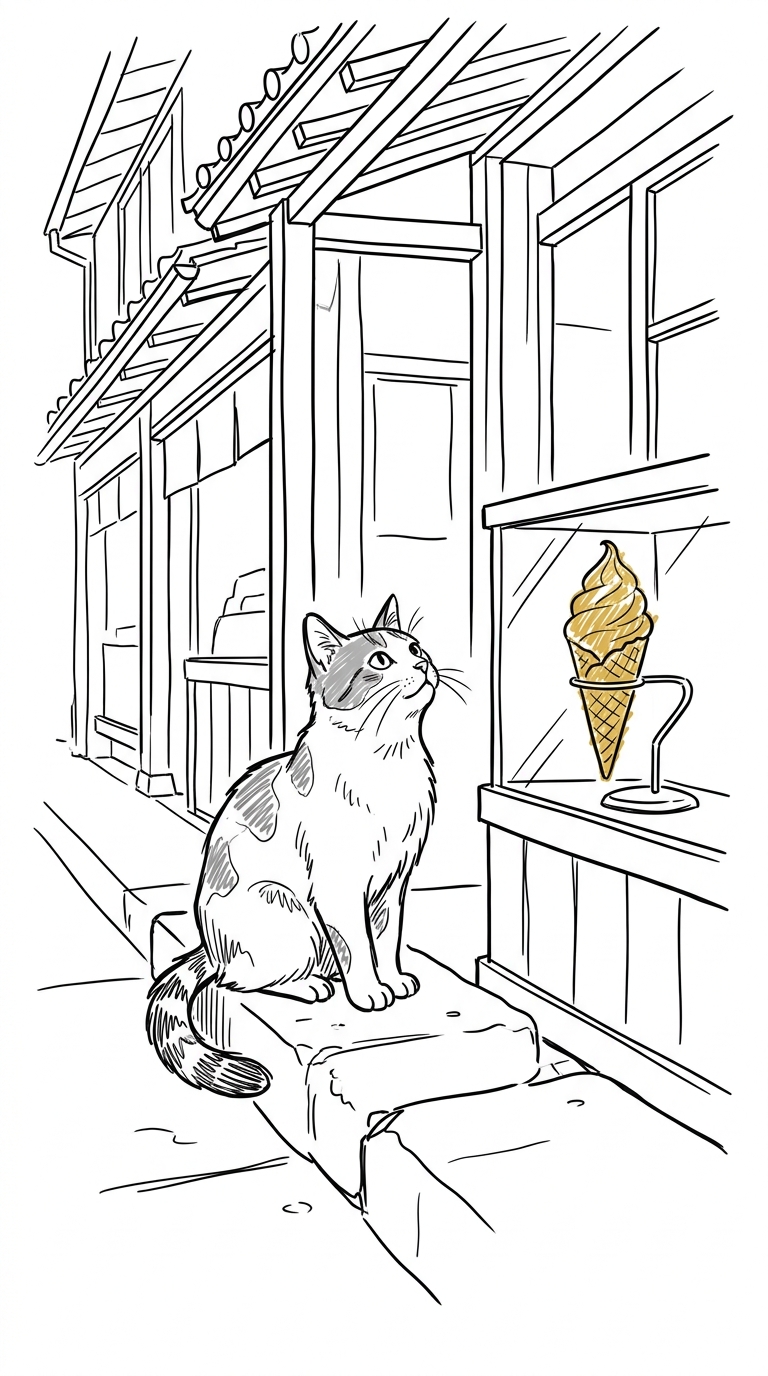
You can eat it. Gold is safe, and it has almost no taste at all. So the ice cream tastes like ice cream. It only looks like treasure. People hold it up, the light hits it, and the whole street turns to look. Then they eat it too slowly, or the wind finds it, and the gold slides off into the road, and everybody laughs.
To cała historia. A czy ją zrozumiałeś? ↓
Właśnie usłyszałeś Polly
Chcesz usłyszeć, jak brzmisz TY?
Przeczytaj na głos jeden wiersz historii. Nagranie zostaje na Twoim urządzeniu i nigdy nie jest wysyłane.
Nieźle, prawda? W aplikacji PollyStop Polly słucha właśnie tego i od razu Cię ocenia.
Wsparcie, zapisane słowa, powtórki w odstępach i nowa historia każdego dnia.
Pobierz PollyStop za darmoDid you understand the text?
Zrozumiałeś?
Pytania są w języku: angielski.
What city in Japan is known for putting gold on ice cream?
How long have people been making gold leaf in Kanazawa?
What happens to the gold when the wind blows?
Twój nauczyciel AI
Teraz powiedz to na głos. Porozmawiaj z Polly o tej historii.
Polly to głosowa nauczycielka w PollyStop. Rozmawia z Tobą na głos o takich historiach jak ta.
Pobierz PollyStop za darmo.
- Nowa historia dopasowana do poziomu każdego dnia, z nagraniem.
- Zapisuj poznane słowa i ćwicz je później.
- Ćwiczenia mówienia z informacją zwrotną.
- Polly, głosowa nauczycielka, otwiera się dla coraz większej liczby uczących się.
Przeczytaj tę historię w innym języku.
Ta sama historia, inny język. Porównaj budowę i rytm, nie gubiąc wątku.
Pytań na końcu: 3
Przeczytaj, a potem sprawdź, co zrozumiałeś