The City That Puts Gold On Ice Cream
Prima di leggere
Prima di leggere
3 domande alla fine. Prima leggi o ascolta, poi scopri quanto hai capito.
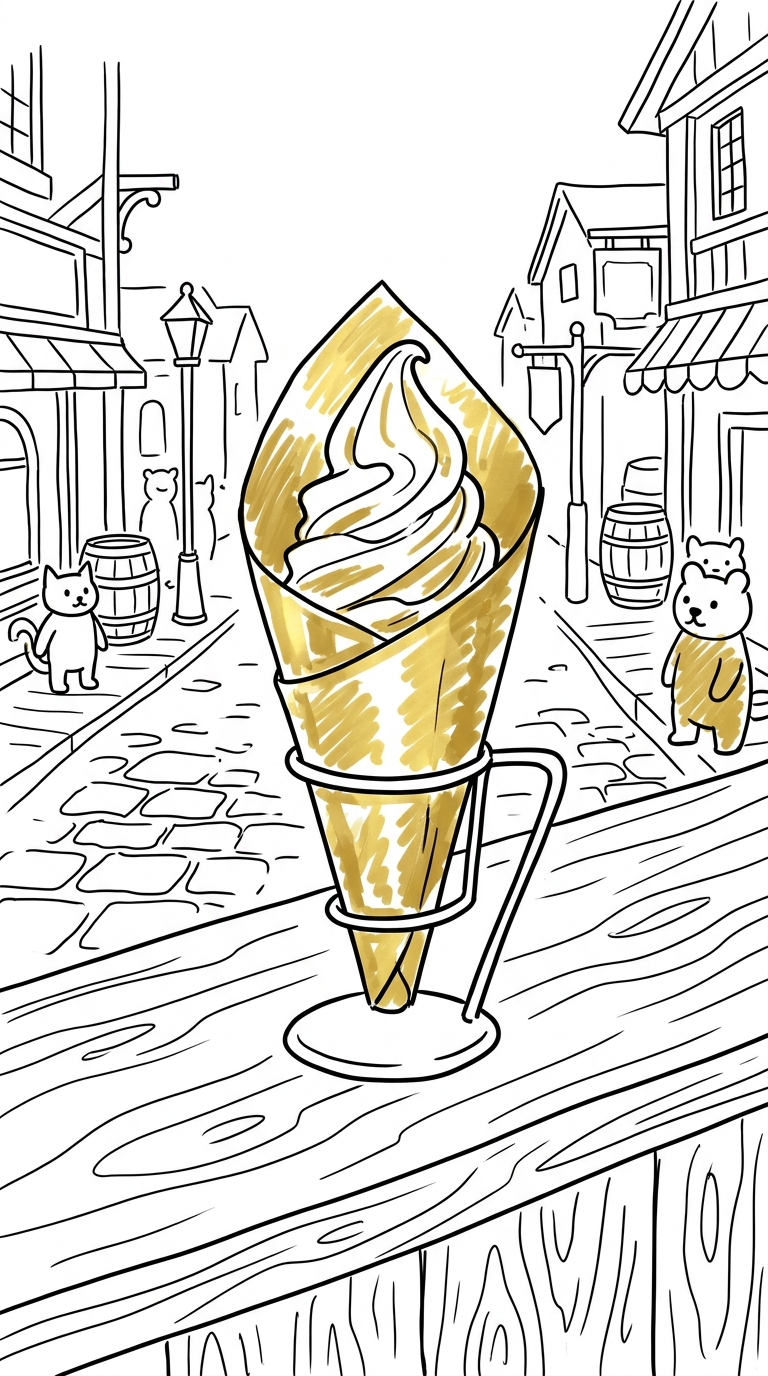
Quiz ↓This ice cream is real gold. Send this to your friend with a sweet tooth. In Japan there is an old city called Kanazawa. You buy a normal soft ice cream there, and then somebody wraps a whole sheet of gold around it.
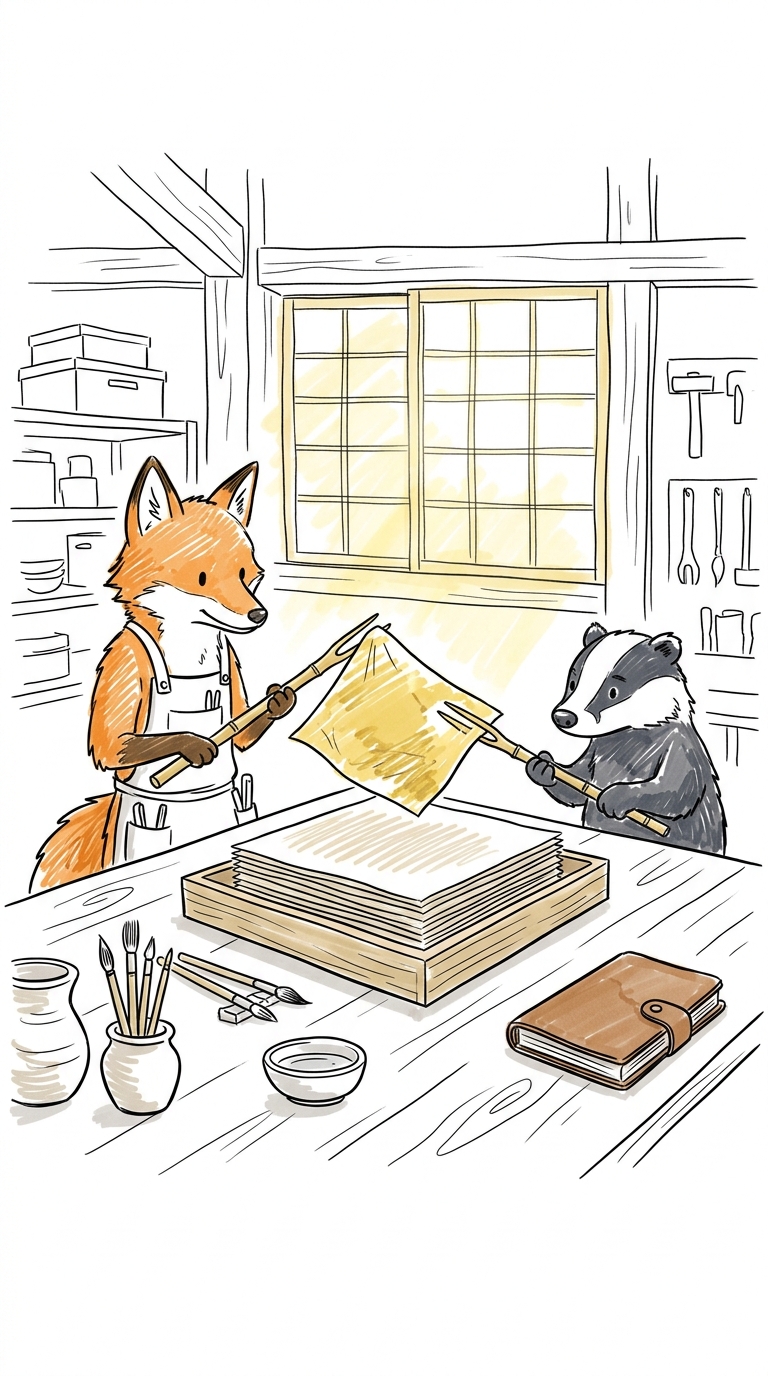
The gold is beaten until it is very flat. It is thinner than a hair. It moves in the smallest breath of wind, so the workers must be slow and quiet and cannot breathe near it. Almost all of the gold leaf in Japan is made in this one city, and people have made it here for more than four hundred years.
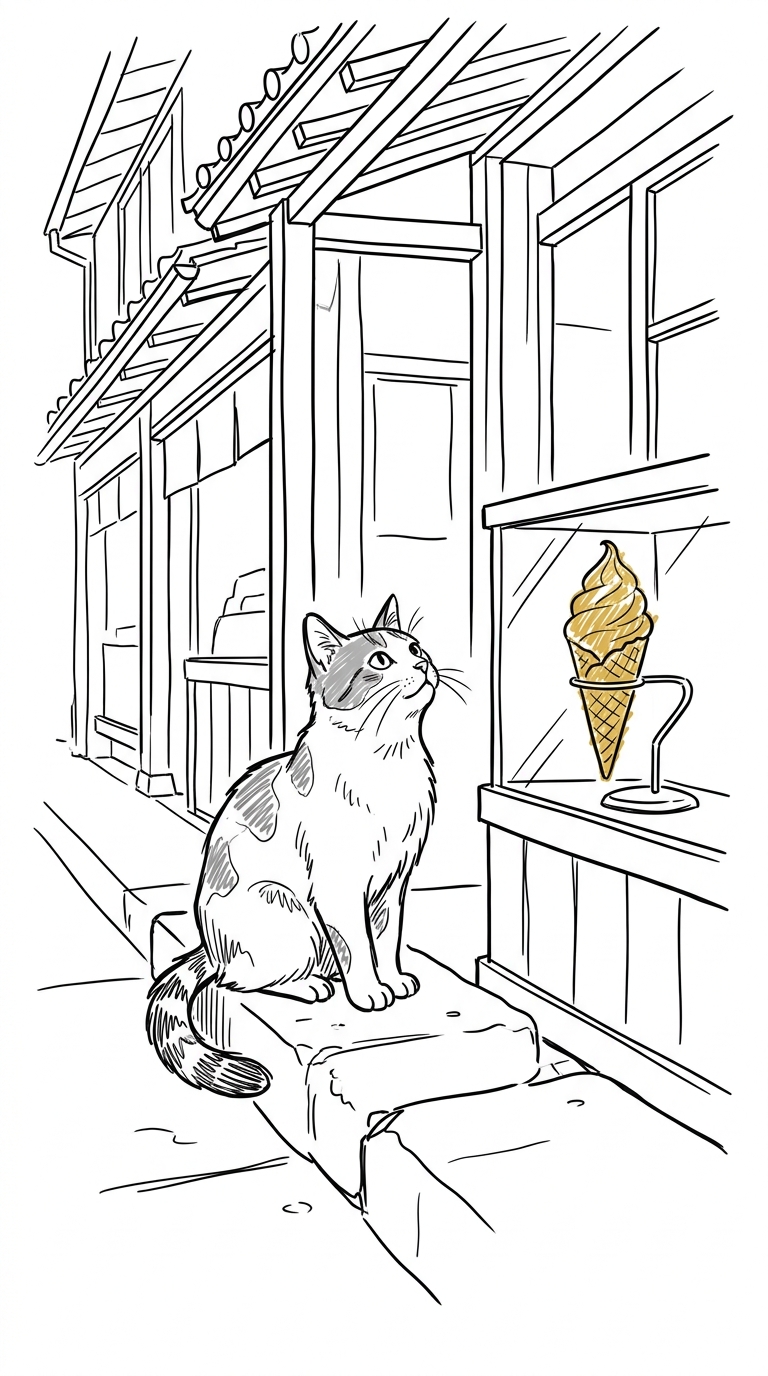
You can eat it. Gold is safe, and it has almost no taste at all. So the ice cream tastes like ice cream. It only looks like treasure. People hold it up, the light hits it, and the whole street turns to look. Then they eat it too slowly, or the wind finds it, and the gold slides off into the road, and everybody laughs.
Questa è la storia. E tu, hai capito? ↓
Hai appena sentito Polly
Vuoi sentire come suoni TU?
Leggi ad alta voce una riga della storia. La tua registrazione resta sul tuo dispositivo e non viene mai caricata.
Non male, vero? Nell'app PollyStop, Polly ascolta proprio questo e ti dà subito un punteggio.
Guida, parole salvate, ripetizione dilazionata e una storia nuova ogni giorno.
Scarica PollyStop gratisDid you understand the text?
Hai capito?
Le domande sono in inglese.
What city in Japan is known for putting gold on ice cream?
How long have people been making gold leaf in Kanazawa?
What happens to the gold when the wind blows?
Il tuo tutor AI
Ora dillo ad alta voce. Parla di questa storia con Polly.
Polly è la tutor vocale di PollyStop. Parla con te, a voce, di storie come questa.
Scarica PollyStop gratis.
- Ogni giorno una nuova storia graduata, con audio.
- Salva le parole che incontri ed esercitale più tardi.
- Esercizi di conversazione con feedback.
- Polly, la tutor vocale, si sta aprendo a più studenti.
Leggi questa storia in un'altra lingua.
Stessa storia, lingua diversa. Confronta forma e ritmo senza perdere il filo.
3 domande alla fine
Leggi, poi verifica quanto hai capito