Cómo hacen miel las abejas
Honeybees turn sweet flower nectar into golden honey through hard teamwork in the hive.
Before you read
Before you read
5 questions at the end. Read or listen first, then see how much you understood.
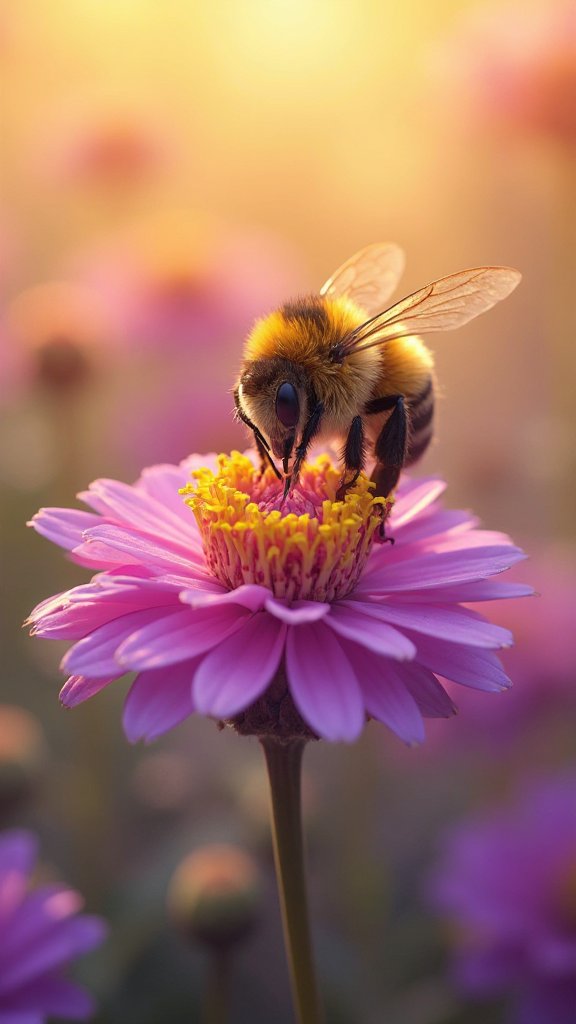
Quiz ↓Las abejas son pequeñas, pero trabajan muy duro. Una abeja obrera vuela de flor en flor todo el día. Bebe el jugo dulce de las flores con su lengua larga. Este jugo dulce se llama néctar, y la abeja lo guarda en un estómago especial.
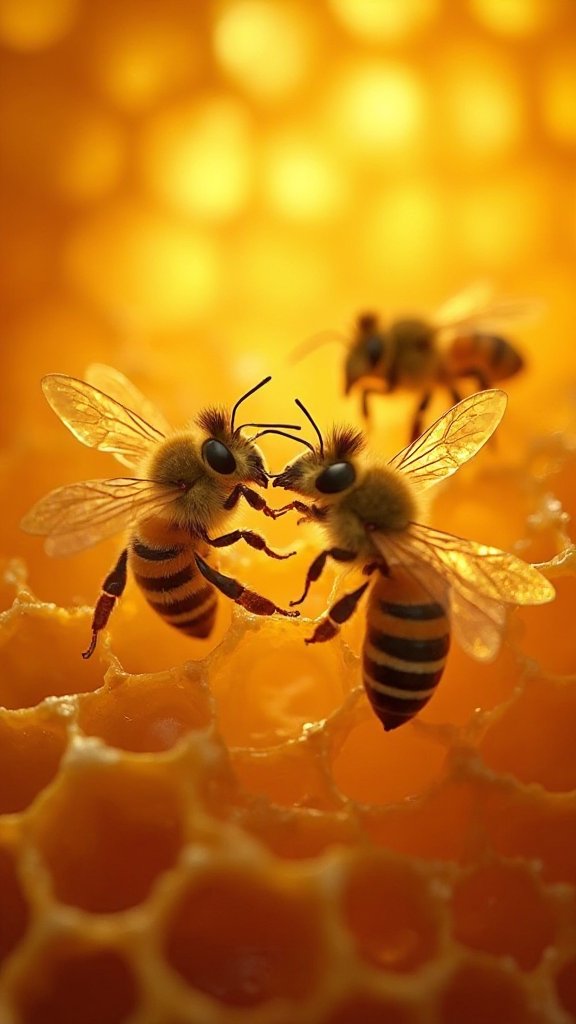
De vuelta en la colmena, la abeja da el néctar a otras abejas. Se lo pasan de boca en boca y le agregan un poco de algo de su cuerpo. Luego ponen el néctar en pequeñas salas de cera. Las abejas mueven sus alas rápido para secarlo, y poco a poco el néctar se vuelve miel espesa.
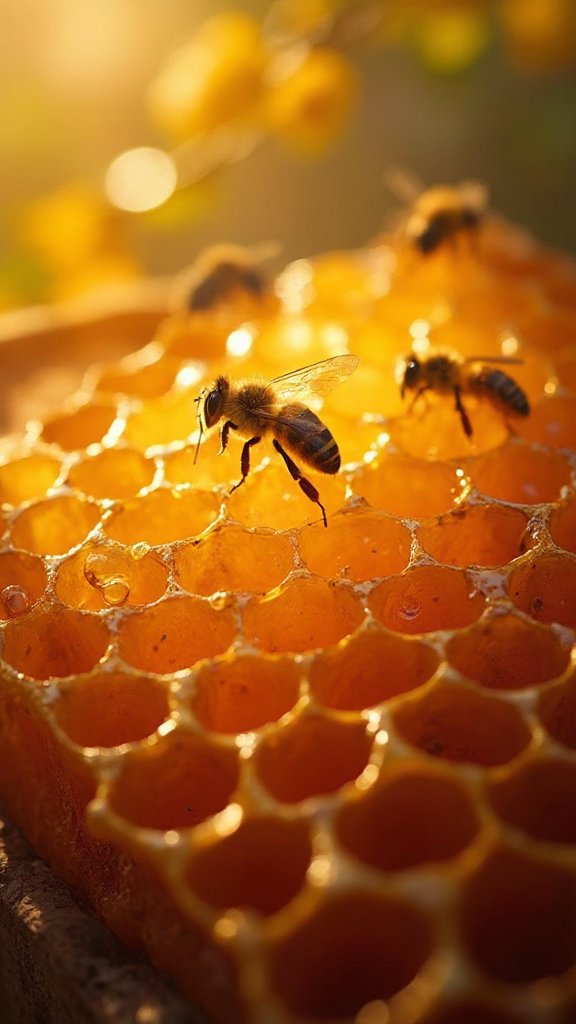
Cuando la miel está lista, las abejas cierran cada salita con una tapa suave de cera. Ahora la miel es comida para toda la colmena en el invierno frío. Una abeja pequeña hace solo una gota diminuta en su vida, así que las abejas deben trabajar juntas para llenar la colmena.
That's the story. Now, did you get it? ↓
You just heard Polly
Want to hear what YOU sound like?
Read a line of the story out loud. Your recording stays on your device and is never uploaded.
Not bad, right? In the PollyStop app, Polly listens to exactly that and scores you right away.
Coaching, saved words, spaced repetition, and a fresh story every day.
Get PollyStop free¿Has entendido el texto?
Did you get it?
The questions are in Spanish. Tap EN if you need a hint.
¿Cómo se llama el jugo dulce de las flores?
¿Dónde guarda la abeja el néctar?
¿Para qué mueven las abejas sus alas rápido?
¿Con qué cierran las abejas cada salita?
¿Cuánta miel hace una abeja en su vida?
Your AI tutor
Now say it out loud. Talk about this story with Polly.
Polly is PollyStop's voice tutor. She talks with you about stories like this one, out loud.
Get PollyStop free.
- A new graded story every day, with audio.
- Save the words you meet and practise them later.
- Speaking practice with feedback.
- Polly, the voice tutor, is opening up to more learners.
Keep going at A2
Next stories
Read this story in another language.
Same story, different language. Compare the shape and rhythm without losing the plot.
5 questions at the end
Read, then check what you understood