How Bees Make Honey
Honeybees turn sweet flower nectar into golden honey through hard teamwork in the hive.
Before you read
Before you read
3 questions at the end. Read or listen first, then see how much you understood.
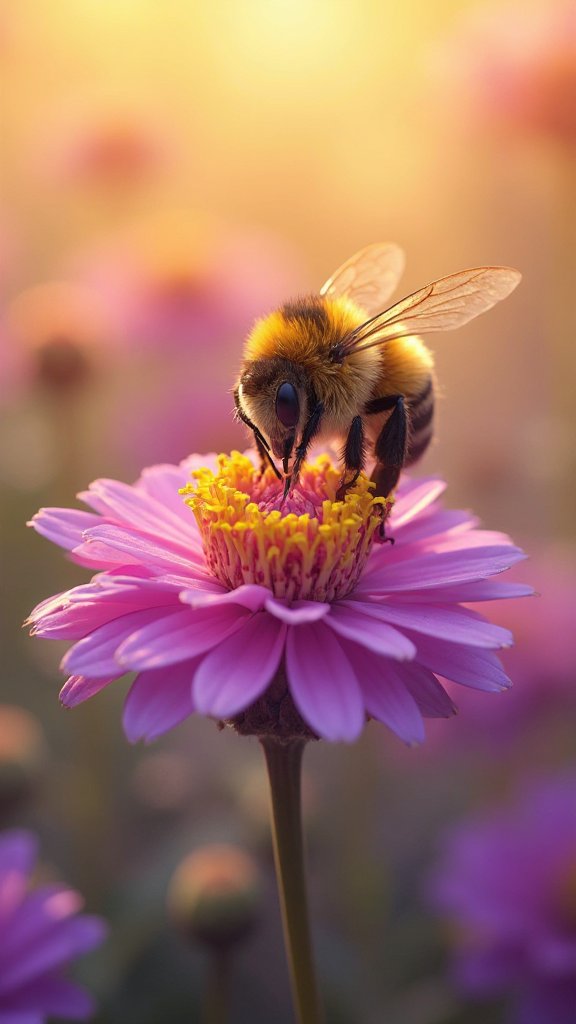
Quiz ↓Honeybees are small, but they work very hard. A worker bee flies from flower to flower all day. It drinks the sweet juice from the flowers with its long tongue. This sweet juice is called nectar, and the bee keeps it in a special stomach.
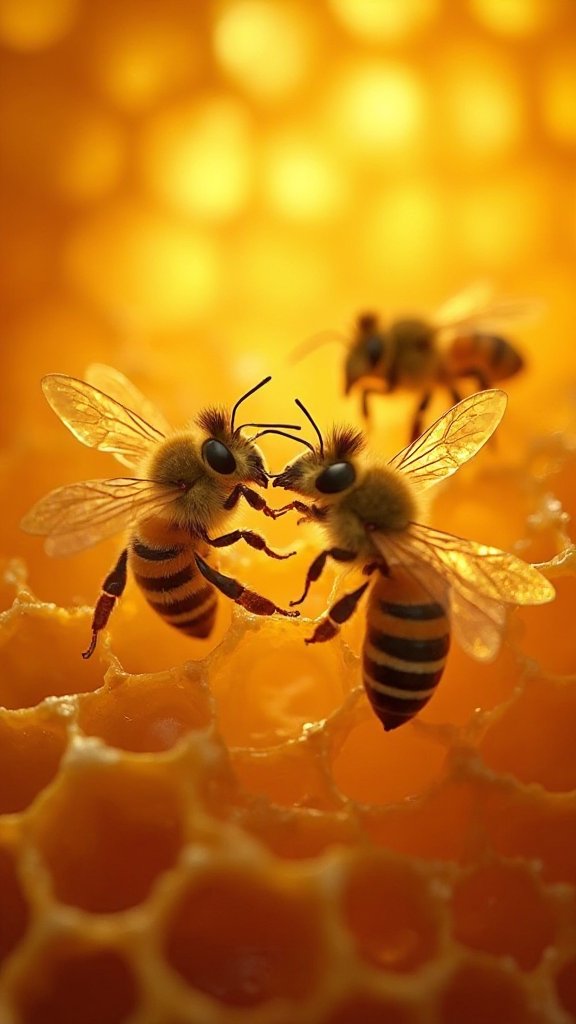
Back at the hive, the bee gives the nectar to other bees. They pass it from mouth to mouth and add a little something from their bodies. Then they put the nectar into small wax rooms. The bees move their wings fast to dry it, and slowly the nectar becomes thick honey.
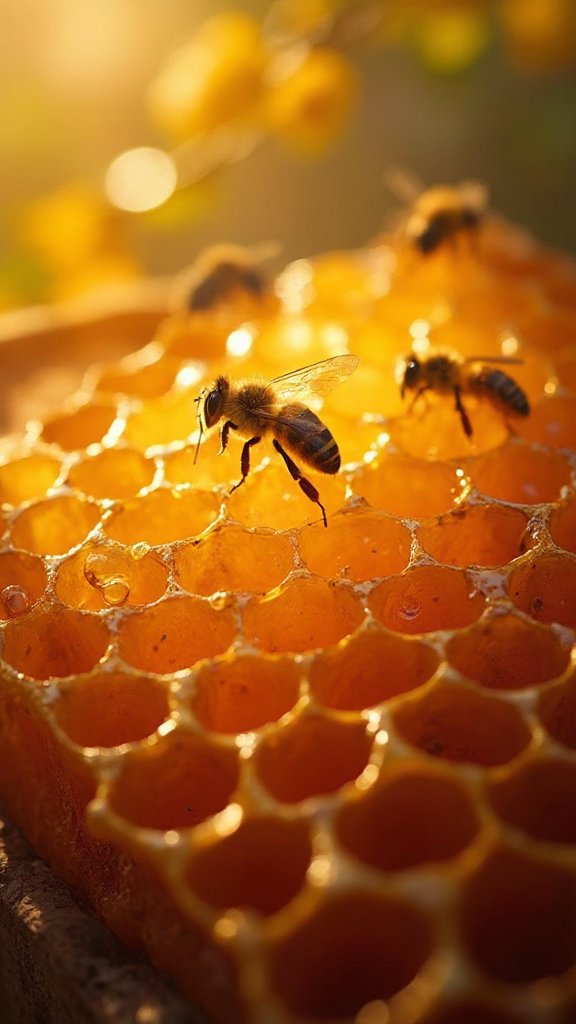
When the honey is ready, the bees close each little room with a soft wax lid. The honey is now food for the whole hive in the cold winter. One small bee makes only a tiny drop in its life, so the bees must work together to fill the hive.
That's the story. Now, did you get it? ↓
You just heard Polly
Want to hear what YOU sound like?
Read a line of the story out loud. Your recording stays on your device and is never uploaded.
Not bad, right? In the PollyStop app, Polly listens to exactly that and scores you right away.
Coaching, saved words, spaced repetition, and a fresh story every day.
Get PollyStop freeDid you understand the text?
Did you get it?
The questions are in English.
What do bees drink from flowers?
What do bees do to the nectar to make honey?
Why do bees make honey?
Your AI tutor
Now say it out loud. Talk about this story with Polly.
Polly is PollyStop's voice tutor. She talks with you about stories like this one, out loud.
Get PollyStop free.
- A new graded story every day, with audio.
- Save the words you meet and practise them later.
- Speaking practice with feedback.
- Polly, the voice tutor, is opening up to more learners.
Keep going at A2
Next stories
Read this story in another language.
Same story, different language. Compare the shape and rhythm without losing the plot.
3 questions at the end
Read, then check what you understood