O animal que faz cubos
Wombats are the only known animal to produce cube shaped droppings, and the corners are formed by uneven stiffness in the last part of the gut.
Before you read
Before you read
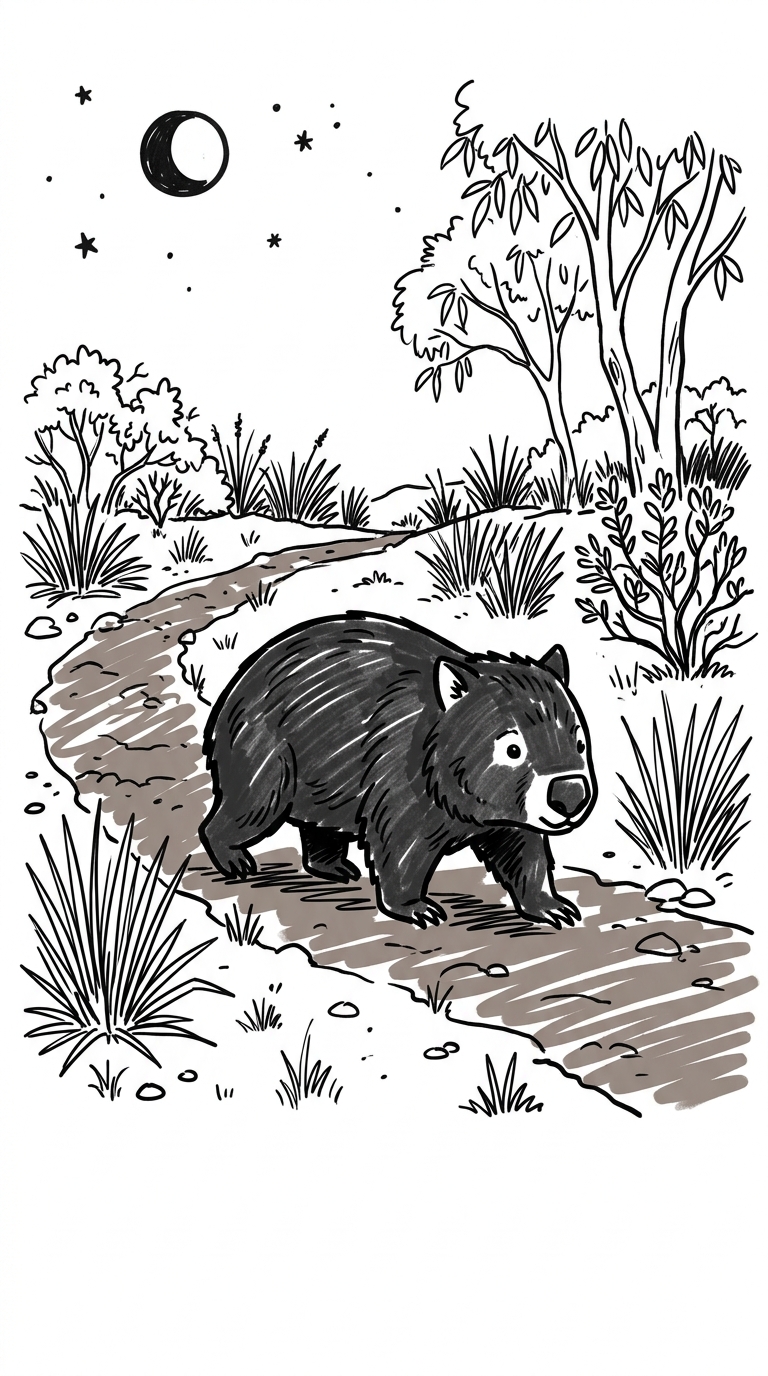
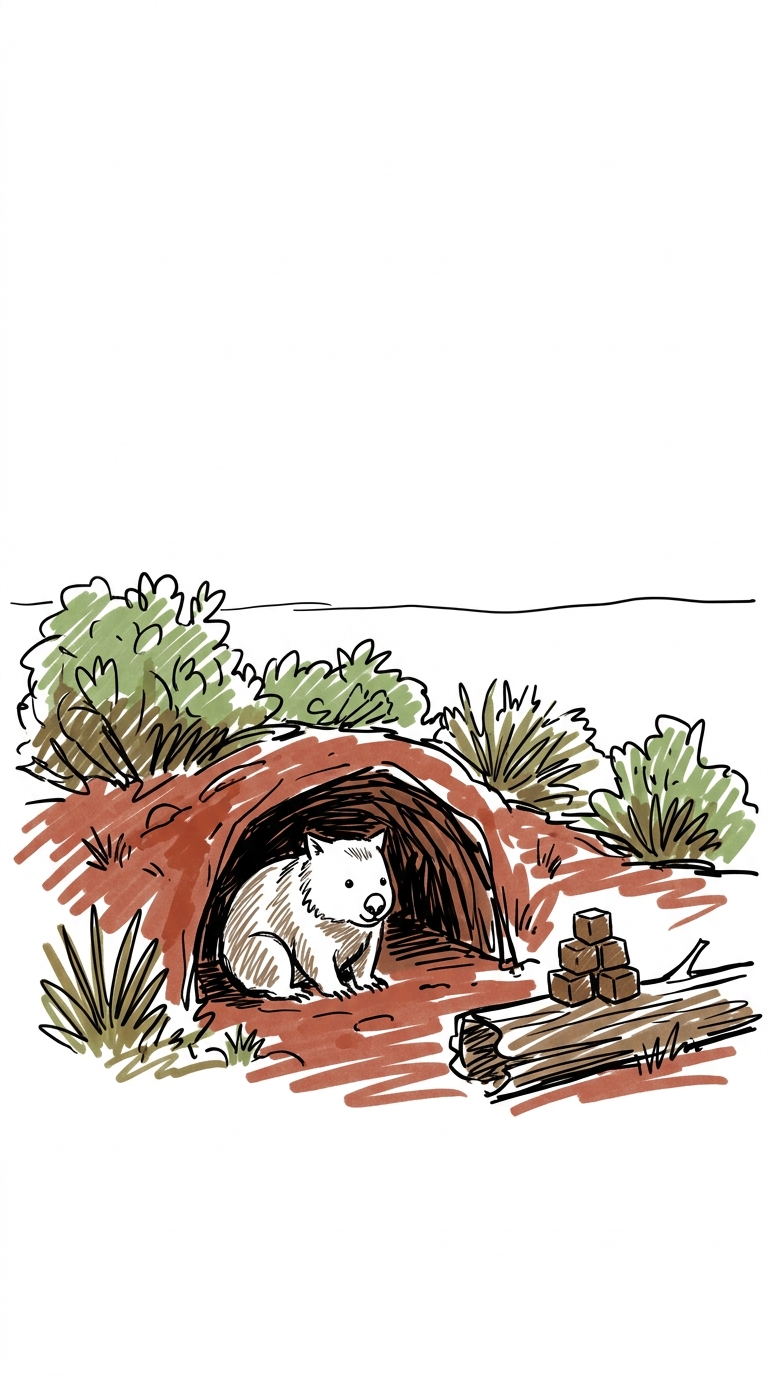
Um animal faz cocô quadrado. Envie isso para alguém que acha que a natureza não tem senso de humor. Na Austrália existe um animal baixo, pesado e peludo chamado wombat. Ele cava túneis longos, come grama a noite toda, e deixa para trás pequenos cubos bem arrumados.
Por anos, ninguém conseguiu explicar isso. Cantos são difíceis de formar. Em todos os outros animais do planeta, coisas moles que saem do corpo ficam redondas ou compridas. Então os cientistas olharam de perto dentro de um wombat e encontraram a resposta no último trecho do intestino dele.
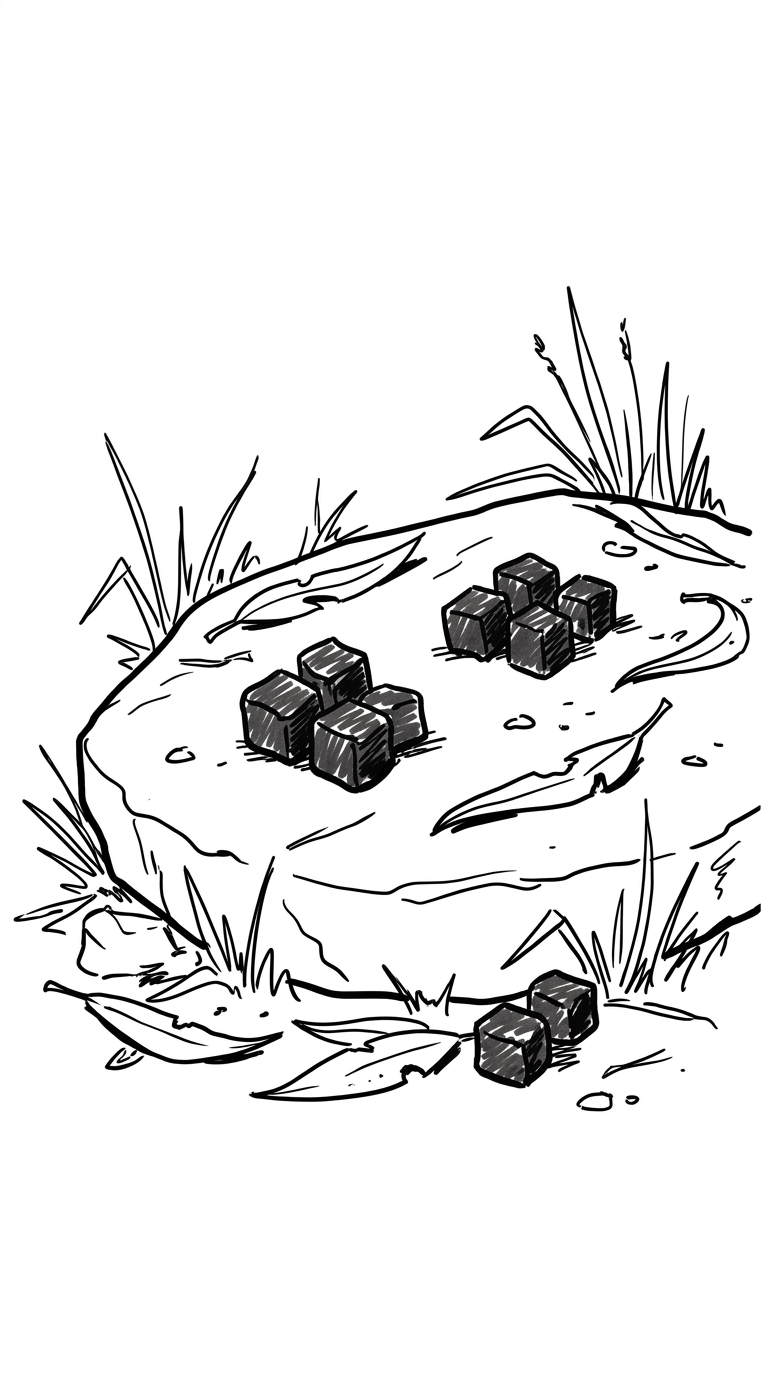
Esse trecho não é igual em toda a volta. Algumas partes da parede são rígidas e apertam com força e rapidez. Outras partes são moles e simplesmente esticam. As partes rígidas moldam os cantos, repetidas vezes, até a forma se firmar e se manter. O wombat então empilha os cubos prontos em cima de pedras e troncos para avisar outros wombats de quem é aquele território. Bolinhas redondas rolariam direto para longe. Cubos ficam exatamente onde são colocados.
That's the story.
You just heard Polly
Want to hear what YOU sound like?
Read a line of the story out loud. Your recording stays on your device and is never uploaded.
Not bad, right? In the PollyStop app, Polly listens to exactly that and scores you right away.
Coaching, saved words, spaced repetition, and a fresh story every day.
Get PollyStop freeYour AI tutor
Now say it out loud. Talk about this story with Polly.
Polly is PollyStop's voice tutor. She talks with you about stories like this one, out loud.
Get PollyStop free.
- A new graded story every day, with audio.
- Save the words you meet and practise them later.
- Speaking practice with feedback.
- Polly, the voice tutor, is opening up to more learners.
Keep going at B1
Next stories
Read this story in another language.
Same story, different language. Compare the shape and rhythm without losing the plot.
Keep learning in PollyStop
Listen, save words, practise