Das Tier, das Würfel macht
Wombats are the only known animal to produce cube shaped droppings, and the corners are formed by uneven stiffness in the last part of the gut.
Before you read
Before you read
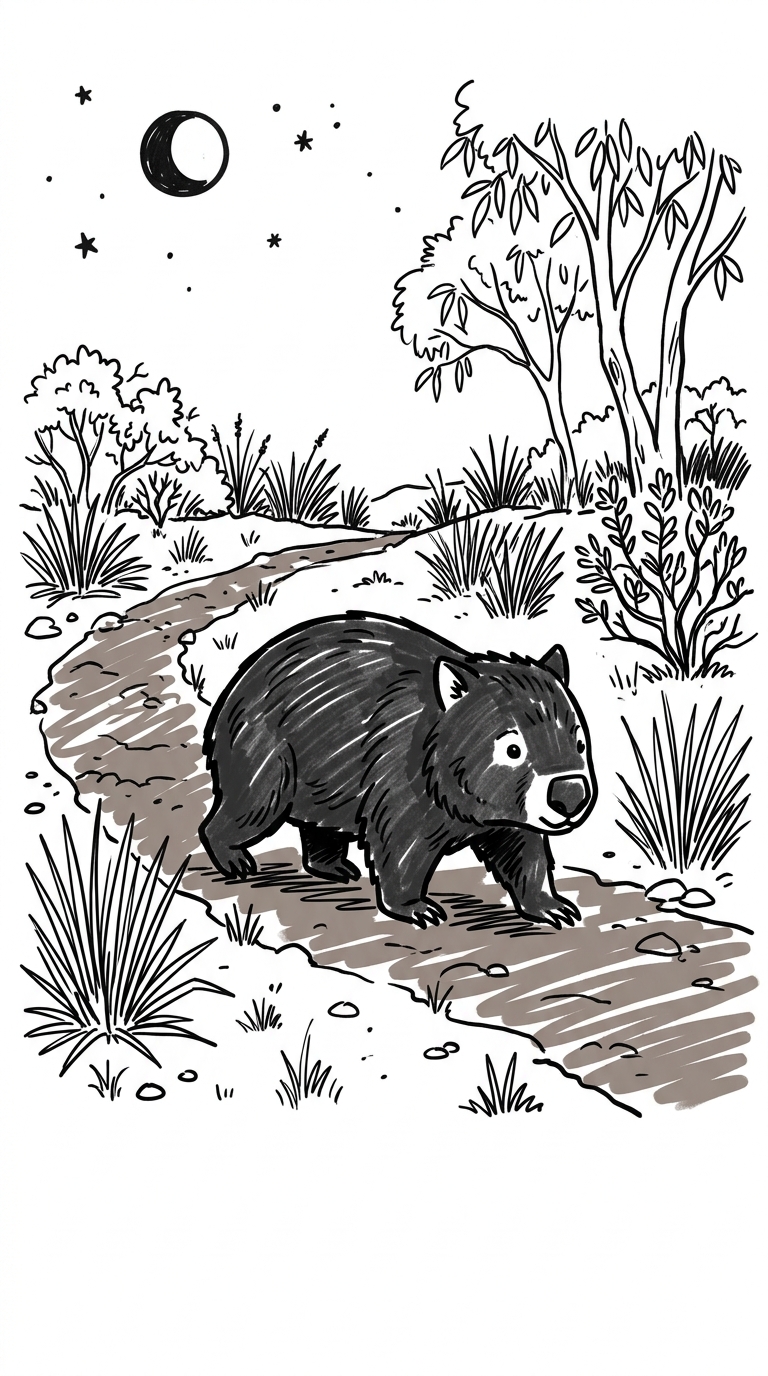
Ein Tier macht eckigen Kot. Schick das jemandem, der glaubt, die Natur hätte keinen Humor. In Australien lebt ein niedriges, schweres, pelziges Tier namens Wombat. Es gräbt lange Tunnel, frisst die ganze Nacht Gras und hinterlässt kleine ordentliche Würfel.
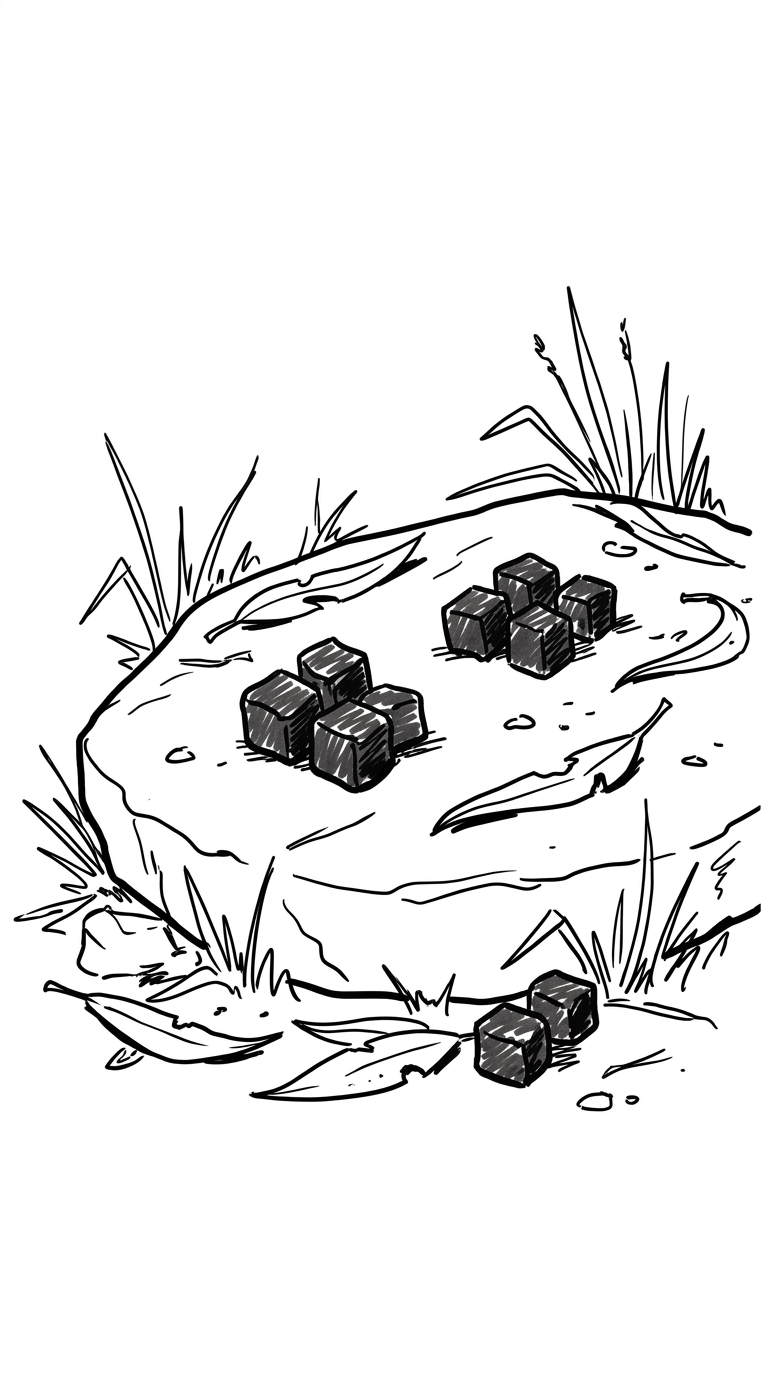
Jahrelang konnte das niemand erklären. Ecken sind schwer zu machen. Bei jedem anderen Tier auf der Welt kommt Weiches, das den Körper verlässt, rund oder länglich heraus. Also schauten Forscher genau in einen Wombat hinein und fanden die Antwort im letzten Stück seines Darms.
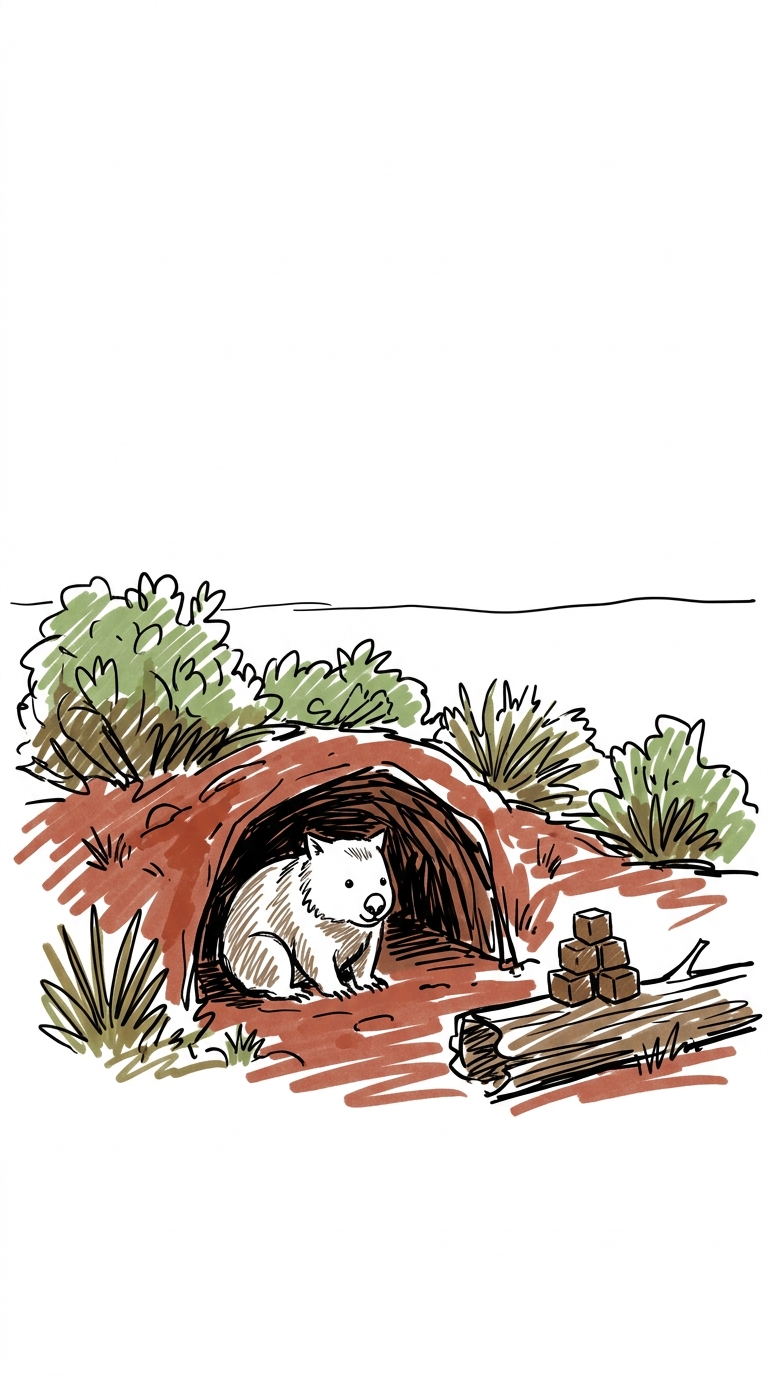
Dieses Stück ist nicht rundherum gleich. Manche Stellen der Wand sind steif und drücken hart und schnell. Andere sind weich und dehnen sich einfach. Die steifen Stellen pressen die Ecken hinein, wieder und wieder, bis die Form hält. Der Wombat stapelt die fertigen Würfel dann auf Steine und Baumstämme, um anderen Wombats zu zeigen, wem dieser Boden gehört. Runde würden einfach herunterrollen. Würfel bleiben genau da liegen, wo man sie hinlegt.
That's the story.
You just heard Polly
Want to hear what YOU sound like?
Read a line of the story out loud. Your recording stays on your device and is never uploaded.
Not bad, right? In the PollyStop app, Polly listens to exactly that and scores you right away.
Coaching, saved words, spaced repetition, and a fresh story every day.
Get PollyStop freeYour AI tutor
Now say it out loud. Talk about this story with Polly.
Polly is PollyStop's voice tutor. She talks with you about stories like this one, out loud.
Get PollyStop free.
- A new graded story every day, with audio.
- Save the words you meet and practise them later.
- Speaking practice with feedback.
- Polly, the voice tutor, is opening up to more learners.
Keep going at B1
Next stories
Read this story in another language.
Same story, different language. Compare the shape and rhythm without losing the plot.
Keep learning in PollyStop
Listen, save words, practise