How Bees Make Honey
Avant de lire
Avant de lire
3 questions à la fin. Lisez ou écoutez d'abord, puis voyez ce que vous avez compris.
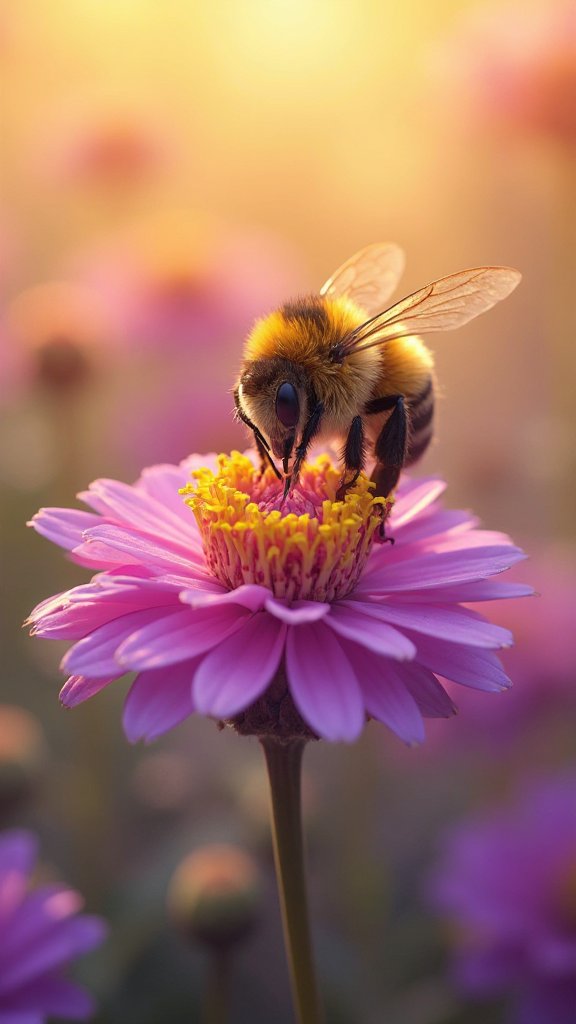
Quiz ↓Honeybees are small, but they work very hard. A worker bee flies from flower to flower all day. It drinks the sweet juice from the flowers with its long tongue. This sweet juice is called nectar, and the bee keeps it in a special stomach.
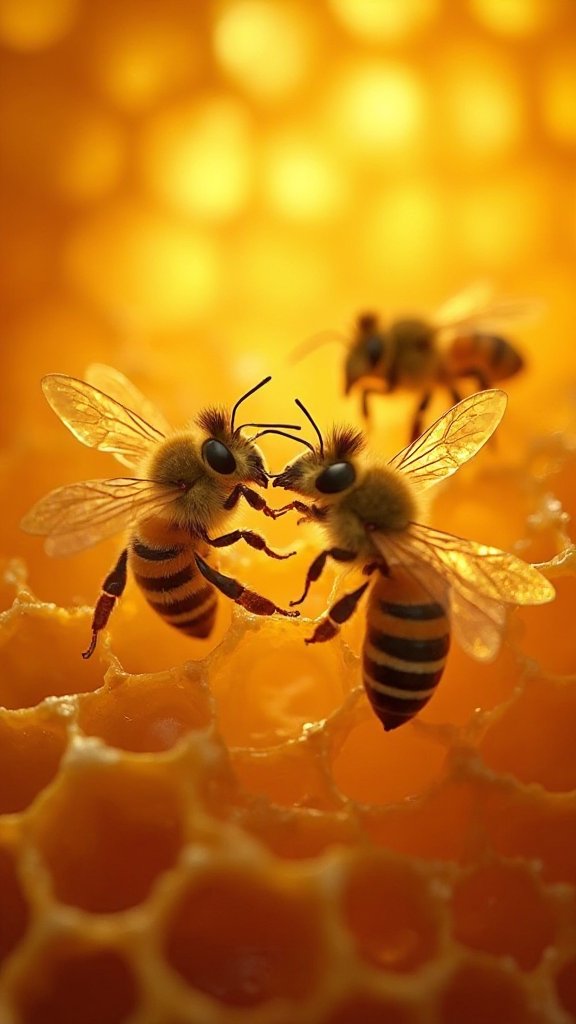
Back at the hive, the bee gives the nectar to other bees. They pass it from mouth to mouth and add a little something from their bodies. Then they put the nectar into small wax rooms. The bees move their wings fast to dry it, and slowly the nectar becomes thick honey.
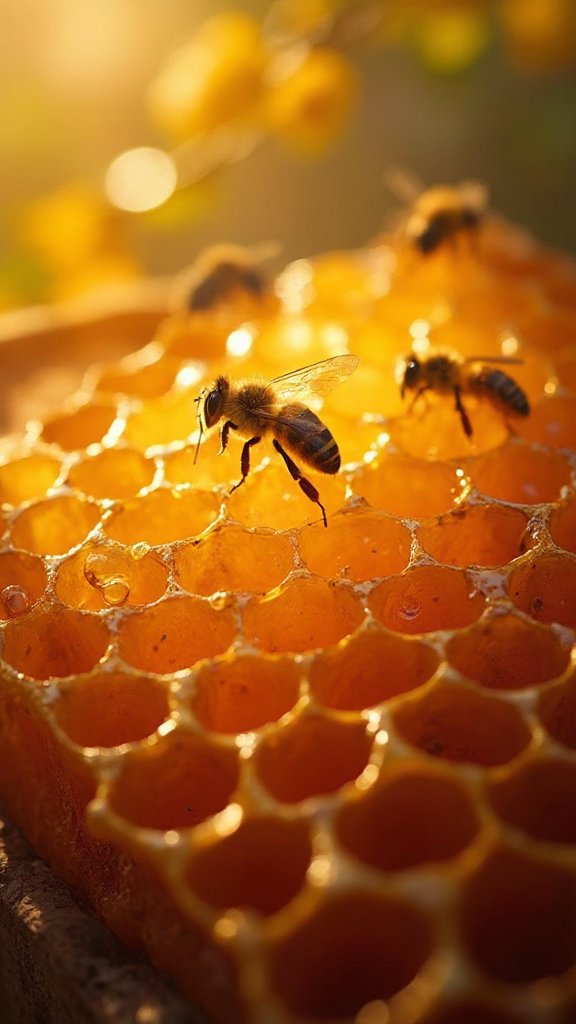
When the honey is ready, the bees close each little room with a soft wax lid. The honey is now food for the whole hive in the cold winter. One small bee makes only a tiny drop in its life, so the bees must work together to fill the hive.
Voilà l'histoire. Avez-vous tout compris ? ↓
Vous venez d'entendre Polly
Envie d'entendre ce que VOUS donnez ?
Lisez une ligne de l'histoire à voix haute. Votre enregistrement reste sur votre appareil et n'est jamais envoyé.
Pas mal, non ? Dans l'appli PollyStop, Polly écoute exactement ça et vous donne un score tout de suite.
Coaching, mots enregistrés, répétition espacée et une nouvelle histoire chaque jour.
Obtenir PollyStop gratuitementDid you understand the text?
Avez-vous compris ?
Les questions sont en anglais.
What do bees drink from flowers?
What do bees do to the nectar to make honey?
Why do bees make honey?
Votre tutrice IA
Maintenant, dites-le à voix haute. Parlez de cette histoire avec Polly.
Polly est la tutrice vocale de PollyStop. Elle discute avec vous, à voix haute, d'histoires comme celle-ci.
Obtenez PollyStop gratuitement.
- Chaque jour, une nouvelle histoire graduée, avec audio.
- Enregistrez les mots rencontrés et révisez-les plus tard.
- Entraînement à l'oral avec retour.
- Polly, la tutrice vocale, s'ouvre à davantage d'apprenants.
Continuez au niveau A2
Histoires suivantes
Lisez cette histoire dans une autre langue.
La même histoire, une autre langue. Comparez la structure et le rythme sans perdre le fil.
3 questions à la fin
Lisez, puis vérifiez ce que vous avez compris